
Bridging the Talent Gap: ASI Joins Lincoln Tech’s Program Advisory Committee | ASI
ASI recently joined Lincoln Tech’s Electronics and Electronic Systems Technology (EEST) Program Advisory Committee to align vocational training with modern industrial needs. By collaborating with educators, ASI ensures that the next generation of technicians is equipped for the complexities of high-level systems integration, security infrastructure, and IP-based fire/life safety systems.
Why is ASI involved in workforce development?
This month, I was invited to participate in Lincoln Technical Institute’s Electronics and Electronic Systems Technology (EEST) Program Advisory Committee.
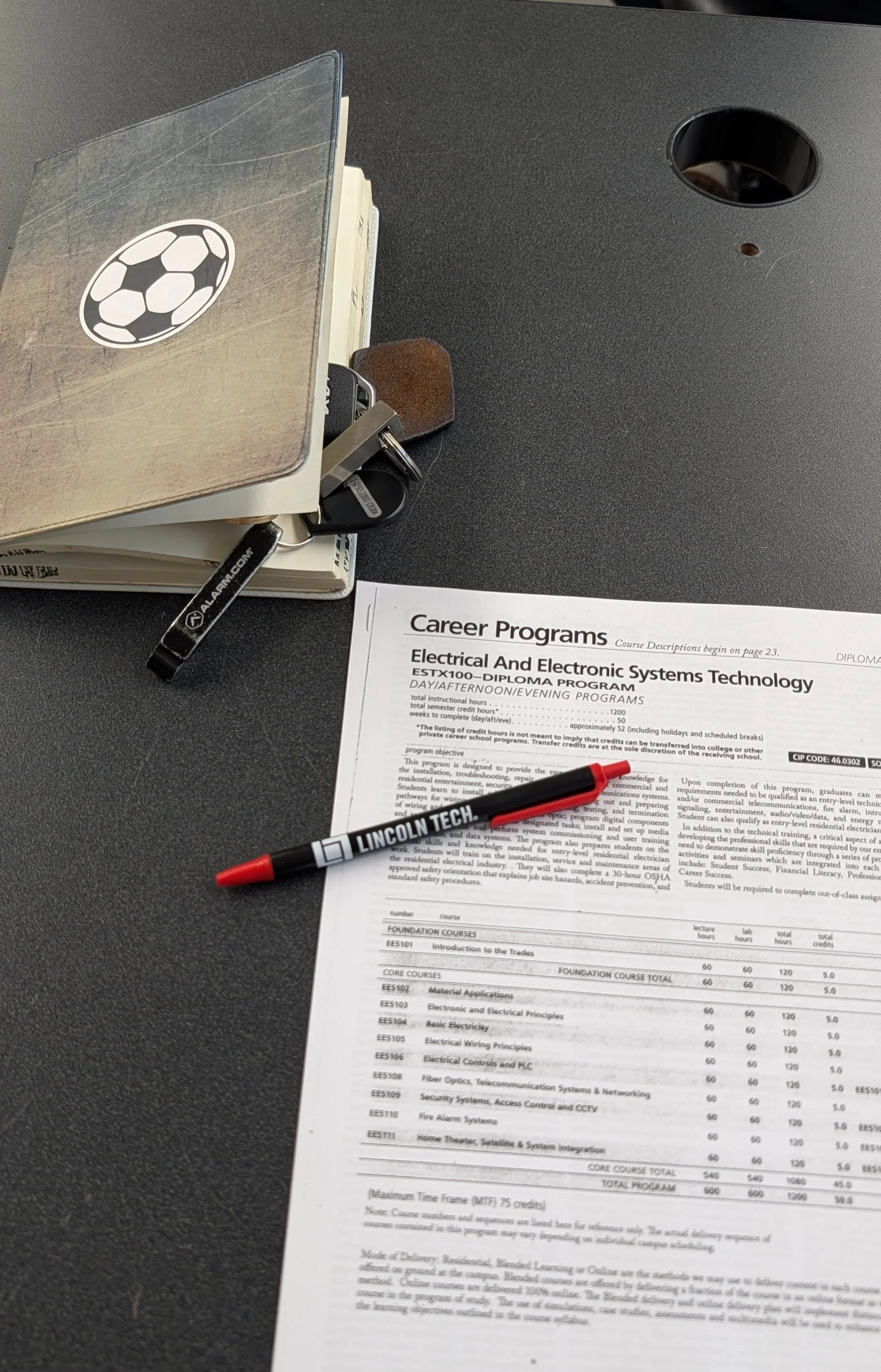
The Committee’s mission is clear: collaborate with industry leaders to ensure the curriculum, equipment, and training methods align with the current needs of the workforce. At ASI, we view this as a vital responsibility. Providing feedback helps strengthen the program and ensures that students graduate as skilled, employable technicians who can add value to the industrial workforce on day one.
An opportunity to discuss the future of the systems integration workforce with other industry professionals? Count me in.
What does the future of technical training look like?
We were greeted warmly by Bryce Russell, Education Supervisor at the Indianapolis campus. After a quick lunch—which, as any seasoned tech knows, "free" is the best type of food—the discussion turned to the curriculum.
I was impressed by the density of the material Lincoln Tech fits into this program. They managed to strike a difficult balance: covering the necessary theoretical depth while maintaining a heavy emphasis on hands-on experience.
How is Lincoln Tech preparing technicians for the field?
The commitment to "real-world" training became obvious during our tour of the facility. A sizable portion of the campus has been transformed into a simulated job site. Studs, joists, rafters, and drywall abound—a veritable wonderland for anyone looking to get their hands dirty.
Our guide showed us where students practice:
Crawl space maneuvers and confined-space navigation.
Wire fishing expeditions through complex wall structures.
Device hanging and integration on a variety of surface types.
This level of immersion is exactly what the industry needs to move beyond simple "wiring" and into the realm of true systems integration.
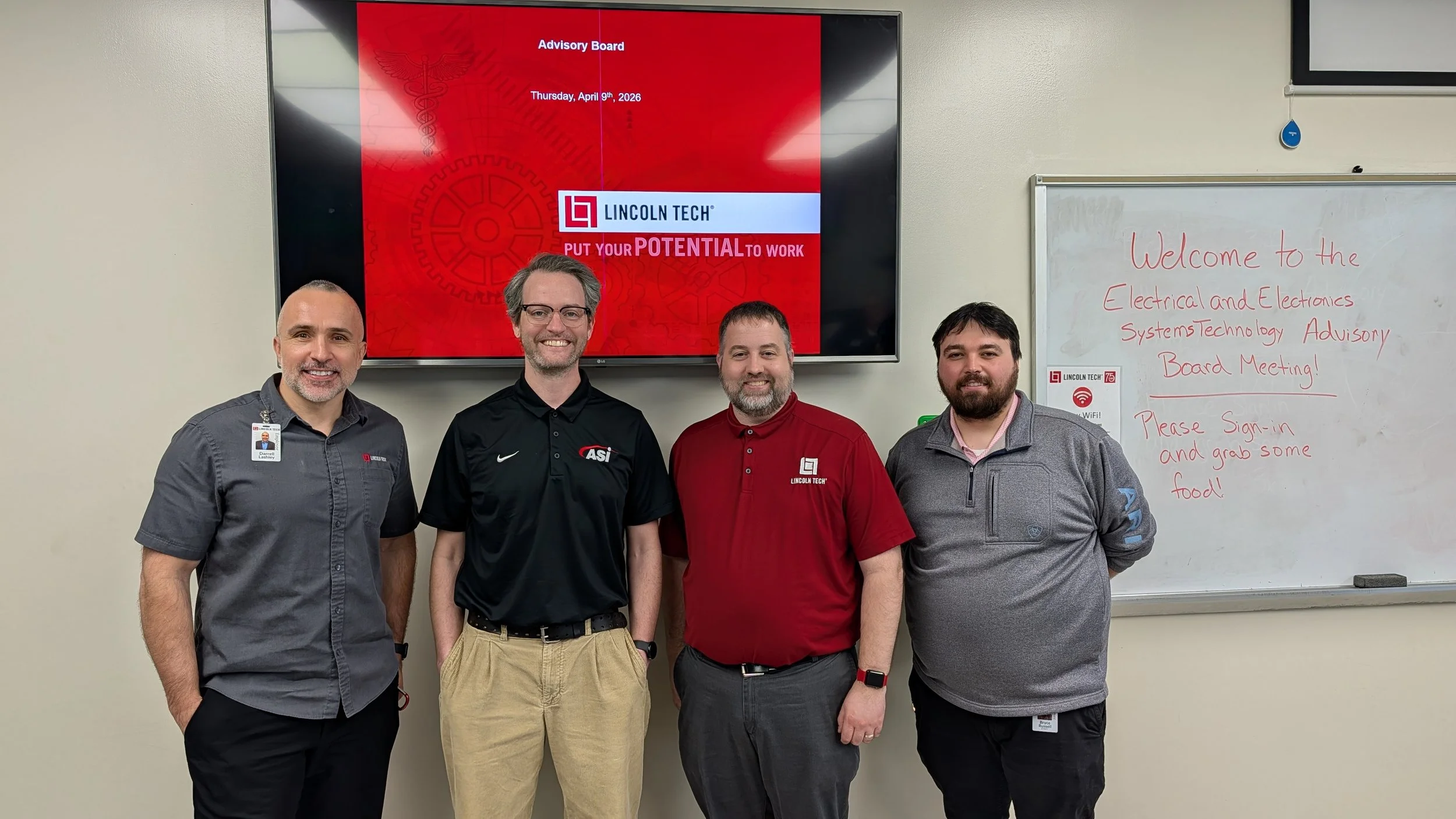
ASI leadership at Lincoln Tech Program Advisory Committee meeting, Indianapolis.
Why does industry feedback matter for students?
We returned to the classroom for a Q&A session in which industry representatives were invited to share candid feedback. We heard from Darrell Lashley, Campus President, whose passion for the field is evident. Darrell, Bryce, and the entire staff exude a level of commitment to their student body that is genuinely inspiring.
At ASI, we aren't just passive observers of our industry; we want to take an active role in shaping its future. We are particularly interested in helping the next generation of security professionals hit the ground running. We’re proud to offer our 32 years of expertise to Lincoln Tech, ensuring that the graduates entering the Indiana workforce are prepared for the high-stakes world of industrial security and fire safety.