
Here is What a Security Integrator Actually Does (And Why AI Says You Need One). | ASI
You may already rely on security hardware to protect your operations, assets, and people. But a common vulnerability for commercial facility managers is assuming that buying security hardware is the same thing as building a cohesive security system.
To clear up this misconception, we fed ChatGPT a direct prompt: What is a Security Integrator?
The AI provided a logical breakdown, drawing a hard line between a standard equipment installer and a true technology partner. Its response perfectly validated our core philosophy and our promise to every commercial client: We don't just install. We integrate.
Here is exactly how AI defines a security integrator, how ASI executes that definition in the field, and why logic dictates that your facility needs this approach to get the absolute most out of your protection.
An Integrator Connects Disconnected Hardware.
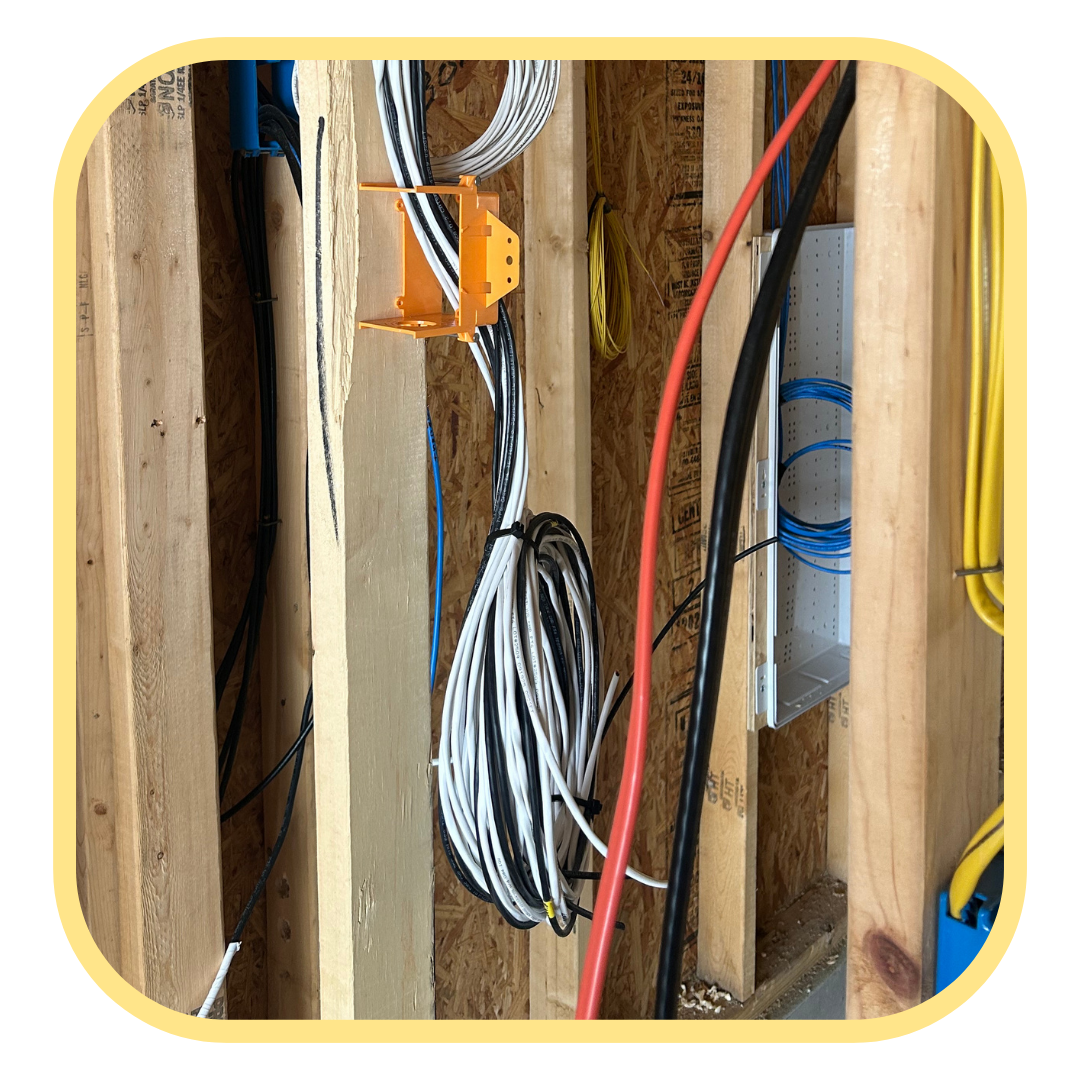
The AI Definition: A security integrator unifies various security components—such as alarms, cameras, and access control—into a single, centralized platform.
How ASI Executes This: If you are managing your cameras on one monitor and your door access on a completely different software platform, your security is working in silos. As an integrator, we bring your facility’s defenses into a single, unified ecosystem powered by Alarm.com. This means your DSC Neo alarm panel, video feeds, and smart access control all communicate with one another, giving you complete situational awareness from one intuitive dashboard.
An Integrator Automates Your Operations.
The AI Definition: Integrators program security systems to automate responses and streamline facility workflows.
How ASI Executes This: Security shouldn't just be a passive alarm on the wall; it should actively make your facility run smoother. By establishing a true integration, we set up custom rules and schedules that work around your specific operations. For example, arming your system at the end of the night can automatically lock all exterior doors and adjust the thermostats. If you are looking to expand your current system's capabilities, adding smart access control allows you to manage shift changes and restrict access to specific warehouse zones without ever needing to track down a physical key.
An Integrator Upgrades Reactive Gear into Proactive Defense.
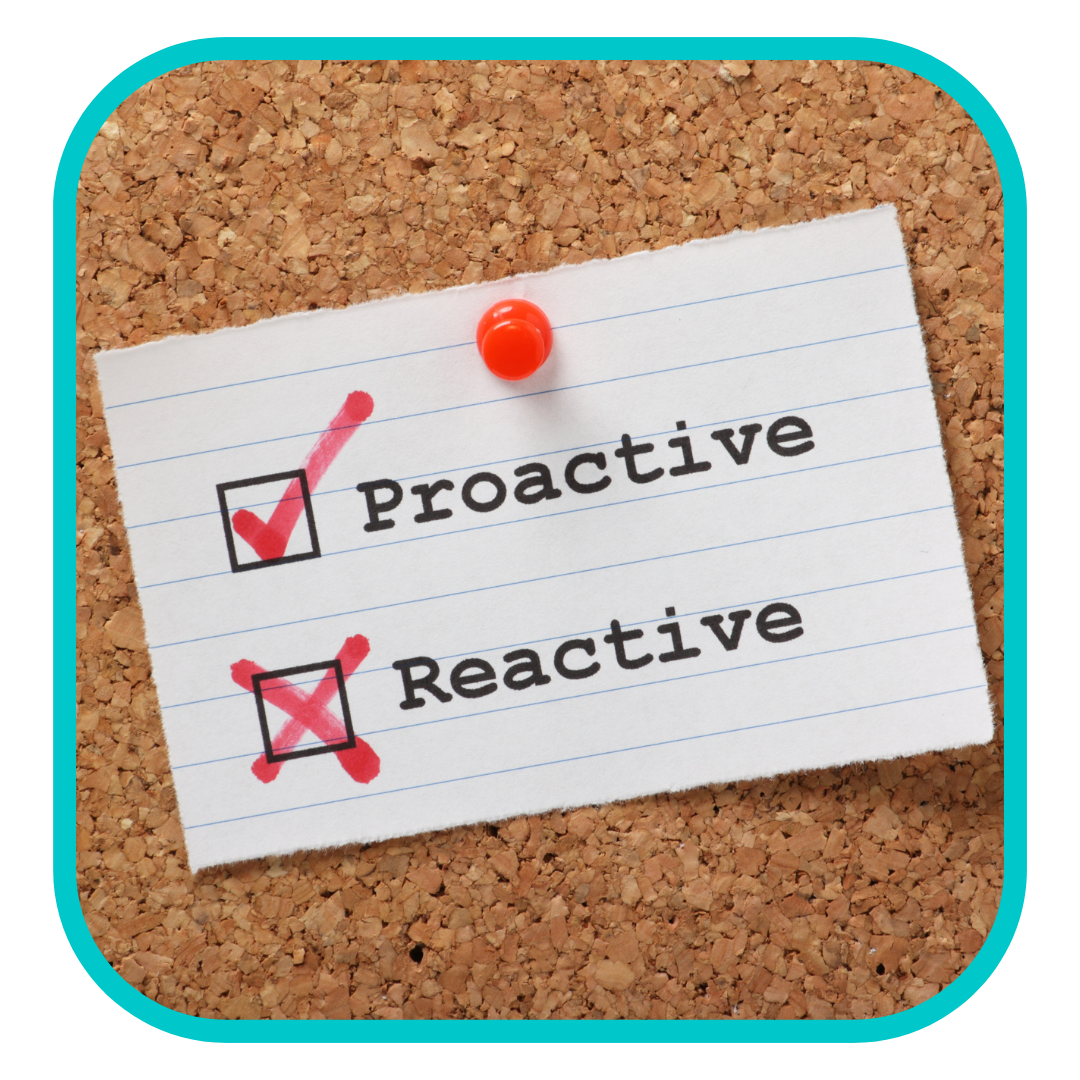
The AI Definition: A security integrator leverages advanced technology to identify and mitigate threats before they escalate.
How ASI Executes This: Having hardware is a great baseline, but an integrator makes that hardware intelligent. By integrating true commercial-grade components—like the ADC-VC series and the newly released Prism series cameras (including the VC7398PA, VC8498PA, VC8498P, and VC8295P)—with advanced video analytics into your perimeter, we upgrade standard motion detection into proactive defense. The system learns to distinguish between a passing delivery truck and an unauthorized person loitering near a loading dock, instantly triggering active deterrents and alerting your team before a breach ever occurs.
An Integrator Provides an Evolving Security Roadmap.
The AI Definition: A security integrator acts as an ongoing consultant, continuously adapting the system to the facility's changing needs.
How ASI Executes This: A commercial facility is never static, and your security shouldn't be either. As your operations expand, your equipment needs to scale with you. That is why we don't just install a panel and walk away. We continuously evaluate your site's foundation to ensure your technology is keeping pace with your business.
Ready to Work with a True Commercial Security Integrator?
A strong commercial security foundation requires an experienced partner, not just an equipment installer. If you want to transform your reactive equipment into a proactive commercial security system, we can help. Contact us today to schedule a comprehensive on-site walkthrough to integrate and expand your customized security roadmap.